Early Orthodontic Treatment in Gaithersburg and Clarksburg, MD
Children’s dental development moves fast. Early orthodontic treatment focuses on guiding jaw growth and making room for incoming adult teeth, rather than rushing every child into braces.
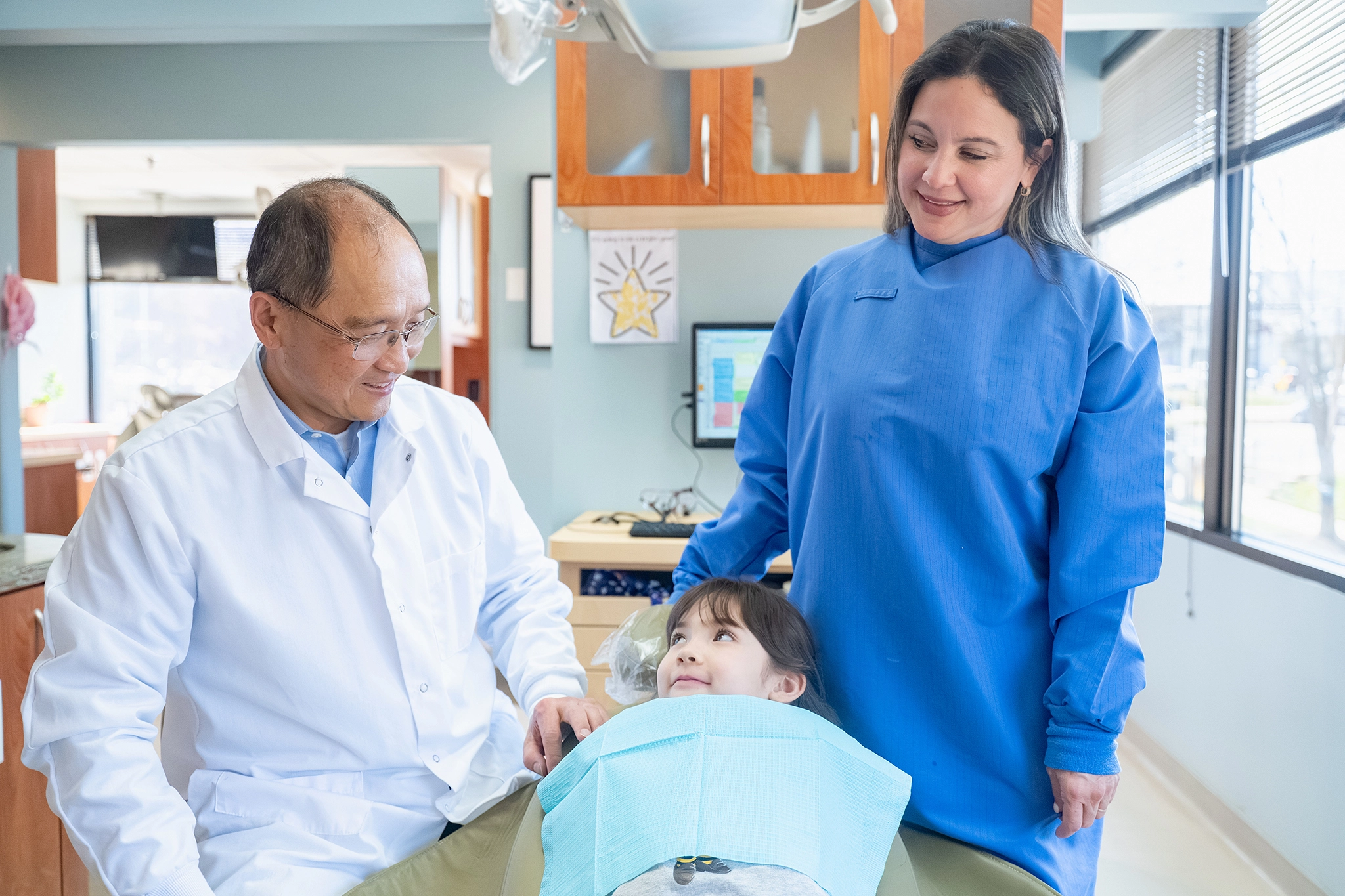
Dr. James Tong brings specialized pediatric training and 30 years of experience to every evaluation. Following American Association of Orthodontists guidelines, we recommend a first screening by age 7.

Understanding the Right Age for Your Child's Orthodontic Screening
Dr. James Tong draws on his academic background as a clinical instructor and over 30 years of pediatric experience to provide honest, pressure-free guidance. The American Association of Orthodontists recommends a first evaluation by age 7, when permanent molars erupt and bite relationships emerge.
Parents often hear conflicting advice, especially when some clinics promote screenings as early as age 4 or 5. While early screenings can catch rare functional red flags, an evaluation does not mean automatic treatment. Our approach to early orthodontic treatment in Gaithersburg, MD focuses on conservative, evidence-based care.
A baseline screening typically results in one of two outcomes:
- Interceptive treatment begins if we must actively guide jaw growth.
- Growth monitoring tracks dental development through scheduled, observational check-ins.
If your child is due for a cleaning, we can coordinate this assessment during a routine pediatric dentistry visit. Use our contact page to schedule your child’s dental evaluation.
Issues Early Orthodontic Treatment
Between ages six and nine, a child’s jaw is highly adaptable because the facial bones are still growing. During this window, we monitor key structural indicators to catch misalignments early. Many parents choose early orthodontic treatment to address these developmental issues before jaw bones fully fuse.
Watch for these signs in your child:
- Crowded teeth: A narrow jaw lacks room for emerging adult teeth, which often leads to severe crowding.
- Crossbites: When upper teeth bite inside lower teeth, the jaw shifts sideways, causing uneven wear.
- Protruding teeth: Prominent front teeth are highly vulnerable to physical trauma during sports or play.
- Thumb-sucking habits: Prolonged sucking can warp the upper palate, creating an open bite.
Guiding skeletal development during active growth is much simpler than correcting fused bone later. This timely intervention guides jaw alignment naturally and helps prevent future permanent extractions. If you notice these signs, schedule an evaluation with our team.
Phase 1 Interceptive Treatment and Palatal Expanders
We provide early orthodontic treatment that Gaithersburg, MD families trust, starting with Phase 1 interceptive therapy to guide jaw growth during the mixed-dentition years. This early care corrects structural issues, though some children still benefit from Phase 2 braces or teen Invisalign once all permanent teeth erupt.
Our most common tool is a palatal expander, which widens a narrow upper jaw to resolve crossbites and crowding. The first week involves a short adjustment period as your child gets used to the appliance:
- Pressure: A mild tightening sensation in the palate after adjustments.
- Speech: Temporary pronunciation and swallowing changes for three to four days.
- Hygiene: Food traps around the metal frame, requiring focused brushing.
To keep treatment comfortable, Dr. James Tong uses an iTero digital scanner to capture 3D models without messy impression trays. Other options include limited braces, space maintainers, or habit appliances for thumb-sucking. To find out whether your child needs early care, schedule an evaluation at our Gaithersburg office.
Establishing a Clear Pathway: Active Phase 1 Treatment vs. Growth Monitoring
We prioritize a disciplined clinical plan rather than rushing to recommend orthodontic appliances. After an initial evaluation for early orthodontic treatment in Gaithersburg, MD, children typically enter one of two pathways. If a time-sensitive bite or growth issue is present, we recommend active Phase 1 interceptive care. Otherwise, we place them on a monitoring track and only begin treatment when it is clinically appropriate.
During observation check-ins every 6 to 12 months, we track developmental milestones. We recommend transitioning to active care only if we observe:
- New crossbite development affecting jaw alignment
- Worsening crowding that blocks permanent teeth
- Eruption pattern issues with emerging adult teeth
- Persistent oral habits that alter the palate
We coordinate this monitoring directly with our pediatric dentistry preventive care, allowing us to perform these quick checks during routine cleanings. To establish a clear, long-term plan for your child, schedule an evaluation with our team today.
Early Orthodontic Treatment FAQs
Does my child really need an orthodontic evaluation by age 7?
An assessment at age seven aligns with official orthodontic guidelines because this is when key bite relationships emerge. This screening is about gathering information and planning, not automatic treatment. Most children enter growth monitoring where we track development during regular checkups. This confirms that if interceptive care is ever needed, it begins at the most effective time.
What is Phase 1 orthodontics, and will my child still need braces later?
Phase 1 interceptive therapy guides jaw growth and makes room for emerging adult teeth. While many children still benefit from a second phase of treatment once all permanent teeth erupt, early care is highly valuable. Interceptive care reduces treatment complexity during the teenage years and can prevent the need for permanent tooth extractions or future surgical corrections.
What is a palatal expander like for a child?
An expander gently widens a narrow jaw, which can cause mild pressure rather than pain after adjustments. Your child will experience temporary speech and swallowing changes for a few days. Food traps easily around the appliance, so consistent parental support with daily cleaning is important. We suggest soft foods during the first week of adaptation.
How long does Phase 1 treatment take?
The duration of active interceptive therapy varies because every growing smile has unique structural goals. The total timeline depends on your child’s bone development, appliance compliance, and the specific correction targets we establish. We focus on treatment efficiency to make sure your child wears the corrective appliance only as long as clinically necessary.
How much does early orthodontic treatment cost, and will insurance help?
The cost of interceptive care varies based on appliance type, treatment complexity, and duration. Our practice works with most PPO plans and files insurance claims on your behalf. We also accept CareCredit to help manage your family’s budget. Note that the Dental Smile Club discount does not apply to orthodontics, though we provide complete cost breakdowns upfront.
Should my child keep seeing a pediatric dentist during orthodontic treatment?
Regular cleanings are important because food debris and plaque accumulate easily around orthodontic appliances. At Tong Dental Care, we coordinate orthodontic monitoring with routine exams at our pediatric dentistry clinic to keep care convenient. Maintaining regular professional cleanings protects your child’s teeth from decay and localized gum issues while their jaw and teeth are actively moving.
Begin your tong care journey
Ready to Protect Your Child's Smile?
Early orthodontic treatment can prevent complex problems before they take root. Dr. Tong’s team welcomes children for a first evaluation at age 7, or any time you notice bite concerns or crowding. You can also explore our comprehensive braces and teen Invisalign options for future treatment phases.